SSI vs SSDI: Key Differences, Payment Amounts, and How to Apply
Understanding the difference between SSI and SSDI is your first step to getting help. Both programs support people with severe disabilities.
However, they are completely separate programs. They have different rules, payment amounts, and eligibility requirements.
This guide explains everything you need to know for 2026. You will learn exactly how to apply and get the financial support you deserve.
What is Supplemental Security Income?
Supplemental Security Income helps individuals with little to no income. It is designed for those who are disabled, blind, or over age 65.
Many people confuse this program with regular retirement benefits. However, it is funded by general federal tax revenues.
The primary rule here is extreme financial need. You do not need any past work history to qualify for this specific benefit.
O que Mais Você Gostaria de Saber?
Escolha abaixo:
However, the asset limits are very strict. An individual cannot have more than 2,000 dollars in countable resources to qualify.
Couples have a slightly higher limit of 3,000 dollars. Fortunately, your primary home and one vehicle usually do not count toward this limit.
The government checks your bank accounts carefully. They also look at cash on hand and other investments to determine your eligibility.
If you go over the asset limit, your payments will stop. Staying within these limits is critical to keep your monthly checks coming.
What is Social Security Disability Insurance?
Social Security Disability Insurance works differently. It is an insurance program funded by the taxes you paid while working.
Think of this program as a safety net you paid into. Every time a portion of your paycheck went to taxes, you bought coverage.
To qualify, you must have a medical condition that prevents you from working. You also need a solid work history on record.
The government measures your work history in credits. Most people need 40 work credits to qualify for this specific program.
At least 20 of those credits must be earned in the last 10 years. This shows you were recently employed before becoming disabled.
Unlike the other program, there is no asset limit here. You can have thousands of dollars in the bank and still receive your monthly check.
Your spouse and their income also do not affect your eligibility. This program looks strictly at your personal work record.
Quick Comparison Table for 2026
Comparing both programs side by side makes things much easier to understand. Below is a quick breakdown of the main differences for 2026.
| Feature | SSI Program | SSDI Program |
|---|---|---|
| Primary Basis | Financial need | Work history record |
| Work Rules | No work history needed | Must have enough work credits |
| Asset Limit | Strict 2,000 dollars limit | No asset limit applies |
| Max Payment | 994 dollars per month | 4,152 dollars per month |
| Healthcare | Immediate Medicaid | Medicare after a waiting period |
The table above highlights the most important rules. Keep these facts in mind when deciding which program fits your current financial situation.
Payment Amounts You Can Expect
The money you receive depends entirely on which program approves your application. The amounts vary significantly between the two.
For the program based on need, the maximum monthly payment is fixed. In 2026, an individual can receive up to 994 dollars per month.
If you have other sources of income, that amount might drop. The agency subtracts part of your other earnings from your monthly check.
For the earned benefit program, payments are based on your past earnings. The average monthly payment is roughly 1,630 dollars.
High earners who paid more taxes can receive larger checks. The absolute maximum for this program in 2026 is 4,152 dollars per month.
The federal government adjusts these limits every year. This adjustment helps beneficiaries keep up with the rising cost of living.
Knowing your expected payment helps you plan your monthly budget accurately.
How Health Insurance Works for Both
Winning your disability case also unlocks vital health coverage. Each program connects to a different national healthcare system.
If you are approved for the low income program, you usually get Medicaid. This coverage often begins immediately upon approval.
Medicaid covers doctor visits, hospital stays, and prescription drugs. It is essential for managing ongoing medical conditions.
If you are approved for the earned benefit program, you get Medicare. However, there is a catch you need to prepare for.
You must wait 24 months after your disability payments start to get Medicare. This waiting period is a strict federal law.
During this waiting period, you might need to find alternative coverage. Many people use the Affordable Care Act marketplace to bridge the gap.
How the Government Defines Disability
Both programs use the exact same medical rules to define a disability. Your condition must be severe and long lasting.
The condition must last or be expected to last at least one year. It can also be a condition that is expected to result in death.
Your medical condition must prevent you from doing basic work activities. You must be unable to do your previous job or adjust to new work.
Getting a diagnosis from your doctor is not enough. You must prove how your symptoms stop you from functioning normally.
The agency uses a specific manual called the Blue Book. This book lists hundreds of severe medical conditions that automatically qualify.
Mental health conditions are also covered under these rules. Depression, anxiety, and severe stress disorders can qualify for benefits.
Can You Get Both Benefits at the Same Time?
Many people wonder if they can receive money from both programs at once. The short answer is yes.
This situation is called concurrent benefits. It happens when someone has a work history but also has very low income.
If your work based payment is extremely low, the needs based program might step in. It can top off your monthly income up to the 994 dollars limit.
Receiving concurrent benefits provides a great safety net. It gives you the best features of both programs at the same time.
For example, you might get the higher payment limits of one program. At the same time, you get the immediate Medicaid coverage of the other.
When in doubt, apply for both programs simultaneously. The agency will figure out which ones you qualify for based on your records.
Can You Work While Applying?
Many people ask if they can keep a part time job while waiting for a decision. The rules here are very strict.
If you earn more than a certain amount, your application will be denied immediately. This limit is called Substantial Gainful Activity.
For 2026, the monthly earning limit is heavily enforced. If you earn over this limit, the government assumes you are not disabled.
It is usually safer to avoid working entirely while your claim is pending. This prevents any confusion about your physical limitations.
If you absolutely must work, keep your hours extremely low. Always report your earnings truthfully to the government to avoid penalties.
Step by Step Guide to Apply
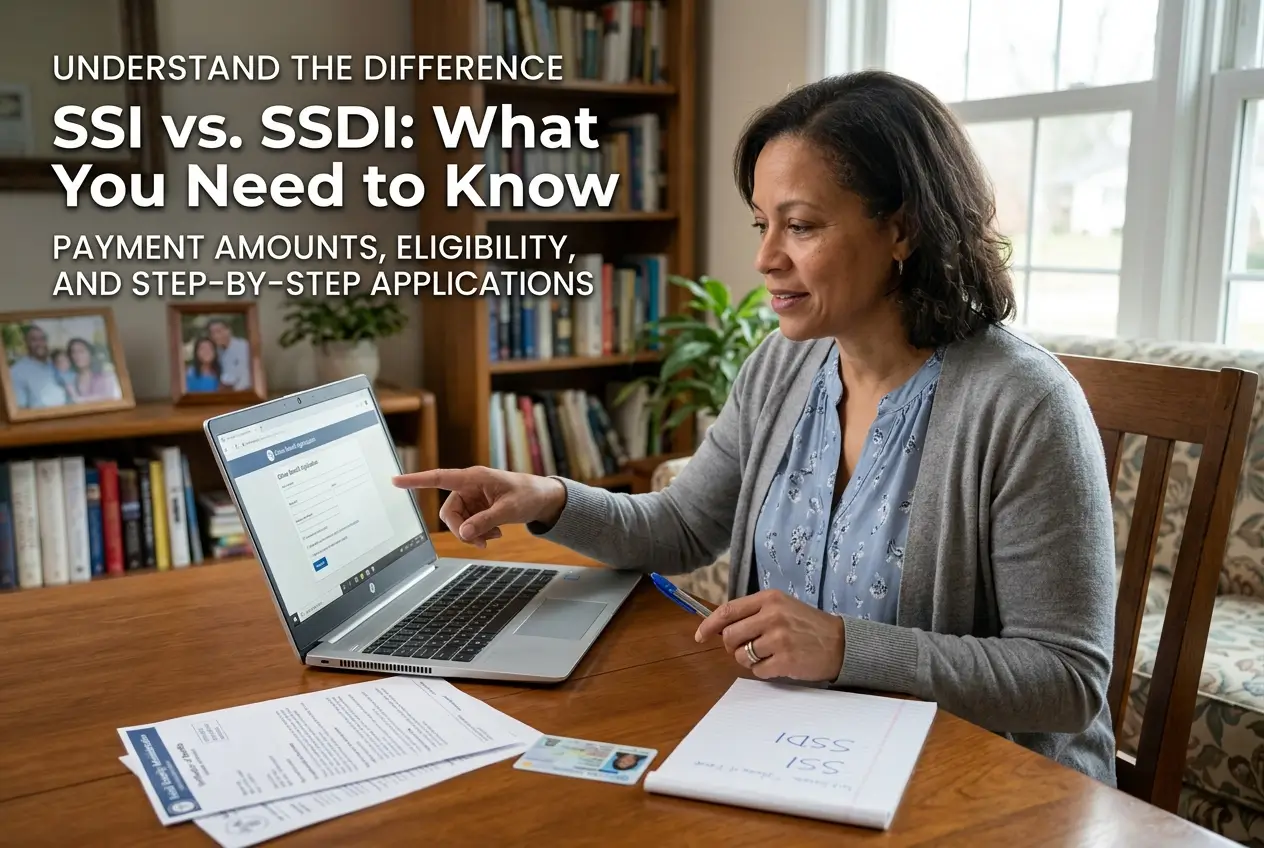
Starting your application might feel overwhelming at first. Following a clear process helps you avoid mistakes and delays.
First, use the official benefits questionnaire on the government website. This tool gives you a strong sense of your eligibility.
Next, gather all your important documents before you begin. You will need medical records, work history, tax info, and bank statements.
Do not wait until you have every single medical record to apply. You can submit the initial form to get the process started immediately.
You have three main options to submit your claim. Choose the method that feels most comfortable and accessible for you.
- Online: Visit ssa.gov to start or track an application easily.
- By Phone: Call 1 800 772 1213 from Monday to Friday.
- In Person: Visit your local office using the locator tool online.
If you are missing some paperwork, call the agency anyway. Ask them to establish a protective filing date for your case.
This special date locks in your potential back pay. It ensures your benefits start as early as possible once your file is totally complete.
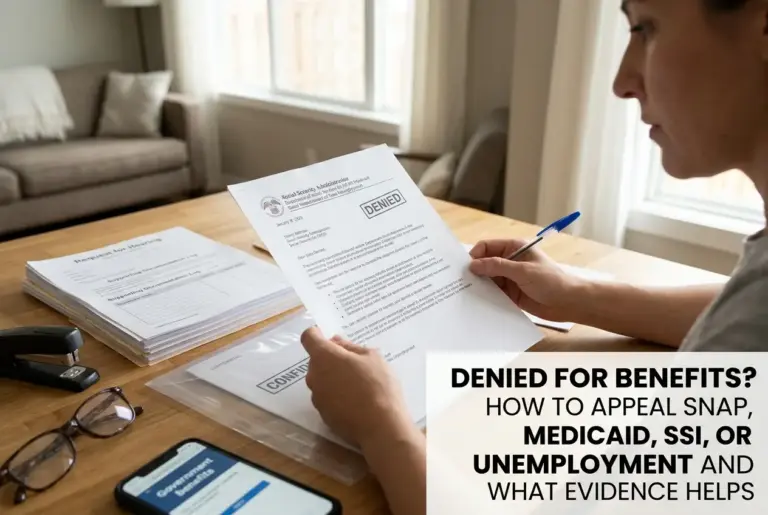
What to Do If Your Application Is Denied
Do not panic if you receive a denial letter in the mail. Most initial applications are denied the first time around.
You have the right to appeal the decision. You must request a reconsideration within 60 days of receiving your denial notice.
If you miss this deadline, you will have to start over from scratch. This will delay your potential payments by several months.
During the appeal, provide any new medical records you have. Updated doctors notes and test results can completely change the outcome.
The next step after reconsideration is a hearing with a judge. This is often your best chance to explain your condition in person.
Protect Yourself from Government Scams
Fraudsters aggressively target vulnerable people applying for disability. You must know how to spot a fake government agent immediately.
The official agency will never threaten you with arrest. They will never demand immediate payment over the phone for any reason.
You should never pay fees to speed up your application. The government processes all claims for free as part of their standard service.
- No Gift Cards: Never pay anyone using retail gift cards.
- No Crypto: The government does not accept cryptocurrency.
- No Wire Transfers: Do not wire money to strangers for help.
- Check Links: Official websites always end in .gov online.
If someone calls and asks for money, hang up immediately. Report the suspicious call to the Office of the Inspector General right away.
Next Steps and Useful Resources
Managing your claim requires patience and careful organization. Creating a free digital account is the best way to stay updated.
Visit ssa.gov to set up your personal profile securely. There you can check your status and update your direct deposit information easily.
If you have questions about other public programs, visit USA.gov. That website has a complete locator tool for all kinds of federal help.
Take action today by gathering your medical records and calling your doctor. The sooner you start, the sooner you can get financial relief.
Denied for Benefits? How to Appeal SNAP, Medicaid, SSI, or Unemployment and What Evidence Helps
» Veja dicas de Moda e Beleza exclusivas para você